ERP For Steel Manufacturing: Implementation Strategies, Rollout, And Risk Control
Investing in a erp for steel manufacturing is not like buying a software upgrade. It is a business decision that directly affects production flow, material control, costs, and delivery timelines. Steel plants run on tight coordination between raw materials, machines, people, and schedules. Even a small system failure can slow down the entire operation.
This is why choosing the right ERP for steel industry is a must. And this blog is exactly here to help you with that.

ERP For Steel Manufacturing
Steel manufacturing is complex by default. Raw materials move through multiple stages. Production runs continuously. Quality checks happen at every step. ERP sits at the centre of all this.
Without a proper implementation strategy, ERP becomes a reporting tool instead of an operational system. Production planning gets disconnected. Material tracking breaks. Cost data becomes unreliable.
That’s what an ERP strategy is for. It connects:
Production planning with real-time shop floor data
Quality control with batch and heat tracking
Material movement as it passes by each stage
Costs are captured accurately, not estimated later
In steel plants, ERP success depends less on the software and more on how well the strategy fits plant reality. That directly impacts ROI and long-term system adoption.
What Are ERP Implementation Strategies For Steel Manufacturing?
ERP implementation strategies define how the system is introduced inside a steel plant. This includes rollout sequence, testing depth, training approach, and risk control.
Strategies differ based on:
Plant size and number of production units
Level of automation and legacy systems
Product mix and production volume
Some plants choose a single-step (big bang) approach, where all modules go live together. This works only when processes are stable and teams are well prepared.
Others prefer a phased rollout, starting with finance or inventory and then moving to production. This reduces risk but needs strong coordination. Whatever you choose will affect testing, training, and deployment.
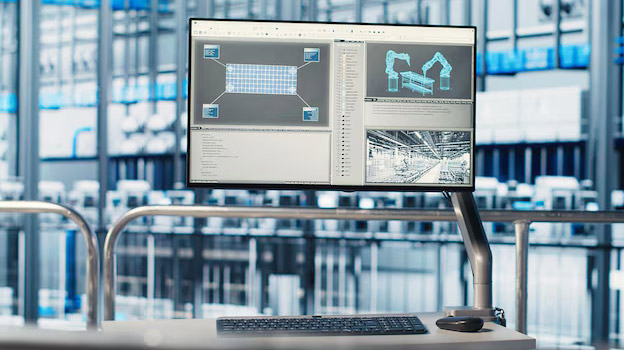
How Do ERP Implementation Phases Work In Steel Manufacturing?
Just like any implementation, ERP for steel m=industry implementation also goes through some phases.
First comes planning. Teams study how raw materials move, how production is scheduled, and how data flows between departments. This step prevents wrong assumptions that later break reports or shop-floor transactions.
Next is system setup and testing. This is where most risks appear. Master data, production logic, and financial controls are tested against real scenarios. If testing is weak, errors show up during live production, not in the project room.
The final phase is go-live and stabilisation. Users start working on the system while support teams closely monitor issues.
What Happens In The Discovery And Planning Phase Of ERP Implementation?
Looking to invest in erp for steel manufacturing? Then build a strong foundation in the discovery and planning phase.
Business process mapping documents how production, inventory, quality, and finance currently work.
Goal setting and scope definition clarify what the ERP must achieve. This prevents scope creep later.
Production bottleneck identification helps prioritise critical processes such as melting, rolling, or finishing.
Feasibility analysis checks timelines, budgets, and system readiness. In steel plants, this step protects against unrealistic go-live dates.
How Does Stakeholder Engagement And Communication Affect ERP Implementation?
Stakeholders are the most important part of ERP implementation. The entire process can fail if they are not aligned. When plant heads and senior management visibly support the ERP, teams take it seriously.
Operators often resist change because ERP alters daily routines. Without communication, ERP feels forced rather than helpful.
Strong engagement includes:
Regular updates during rollout
Clear ownership of decisions
Feedback loops to capture user issues
Change ownership ensures ERP adoption does not stop at go-live. It continues until the system becomes part of daily operations.

How Does Risk Tolerance Influence ERP Strategy Selection For Steel Manufacturers?
Every ERP strategy carries risk. Some increase financial risk, such as longer timelines or higher implementation costs. Others take you down with operational risk during go-live. The difference lies in how much risk the plant can tolerate.
Even a few hours of disruption can lead to losses, delayed dispatches, and customer dissatisfaction. To avoid it, you need risk assessment and planning. Consider:
Safety and compliance obligations
Data accuracy requirements
Insurance and audit readiness
Choose a strategy that protects both operations and finances.
Why Does Customization Vs Standardization Matter In Steel ERP Implementation?
Standard ERP workflows offer stability and faster upgrades. However, steel plants often run on unique processes…and generic modules are not enough.
This is where Customization helps align ERP with operations such as:
Heat-wise tracking
Yield and scrap calculation
Custom quality parameters
But with benefits, we have long term costs associated with deep customization. So, having the right balance is what you need. It ensures the ERP supports the plant today without becoming a burden tomorrow.

Why Is Change Management Critical During ERP Implementation In Steel Plants?
You cannot just introduce a new erp for steel manufacturing industryand expect people to accept it on Day 1. Steel plants run on habits built over the years. So, the first step for successful implementation starts with operator mindset transformation.
Pushback is natural. People fear: Will the system replace me? Or is it going to slow me down or monitor them too closely? That’s where change management is needed to bridge this gap. But how does that happen?
Have open communication - to help people see ERP as a support system. When teams understand why the change is happening, resistance drops naturally.
Listening to concerns - Involving key users and fixing small issues quickly prevents frustration from spreading across teams.
Train people continuously - As workflows and screens change, regular refreshers help users work independently instead of relying on others.
Track adoption through metrics- Monitor logins, transaction accuracy, and process completion. What gets measured improves.
What Are The Most Effective ERP Implementation Tips For Steel Manufacturers?
Follow these tips for a successful ERP implementation:
Start with realistic timelines.
An ERP implementation process is complex. Phases like data migration, process mapping, and user testing take time. So, when you have a timeline, you stay under control.
Focus on phased training
Don’t just do one-time sessions. Because at the end of the day, technical and non-technical staff (like operators, finance teams) will interact with the system. Therefore, training programs are a must. It helps users learn what they need, when they need it, without overload.
Continuous testing discipline
Do not wait until go-live to discover issues. Because undoing those will be more difficult than now. Do regular testing across production, inventory, finance, and supply chain to catch errors early.
Ensure visible leadership involvement
When plant heads and senior leaders actively use and support the ERP, adoption improves naturally. Teams take the system seriously because leadership does.
Why Is Data Migration One Of The Biggest ERP Risks In Steel Manufacturing?
When steel manufacturers plan an ERP implementation, data migration often looks like a technical task. In reality, it is one of the highest-risk phases of the entire project.
See, when you migrate data from legacy systems to your new steel ERP software, there can be risks. These include:
Legacy system complexity
Most steel plants run on a mix and match of tools - old ERPs, spreadsheets, and shop-floor systems. Now, each of these systems store data in different formats and often lack proper documentation. This results in a "Frankenstein" data architecture.
Now, when you try to get all the scattered data from old systems, the connections frequently break, leading to incomplete or corrupted transfers. This is one of the top challenges in ERP integration in the steel industry.
Raw material and production history risks
The industry works on raw materials, coal, scrap usage, heat numbers, grades, rolling parameters, and quality checks. During migration, if you miss this historical data, it can impact traceability, decisions, and future production planning.
Duplicate record issues
Over the years, suppliers, customers, materials, and inventory items are created multiple times across systems. If this duplicate data moves into the new ERP, it will create confusion instead of clarity.
Reconciliation failure impact
Reconciliation problems hit hardest after go-live. What if opening balances, inventory quantities, or WIP data do not match across systems? Finance and operations lose trust in the ERP. And all this can also disrupt scheduling, delay dispatches, and affect customer commitments.
Compliance and safety risks.
Steel manufacturers must maintain historical quality, environmental, and safety data. Missing or inaccurate records after migration can lead to non-compliance, penalties, and audit failures.
Frequently Asked Questions About ERP For Steel Manufacturing
Phased rollouts, clean data migration, role-based training, and continuous testing are common implementation strategies for ERP for steel manufacturing.
To successfully implement an ERP for steel industry, have strong change management, leadership involvement, and post-go-live support to ensure smooth adoption.